
3D Printing Tolerances
Tolerances define the acceptable deviation from nominal dimensions in manufactured parts. In additive manufacturing, achievable tolerances depend on the selected process, material, part geometry, and post-processing steps. RapidPrintParts evaluates each project against the stated application requirements before providing a tolerance commitment.
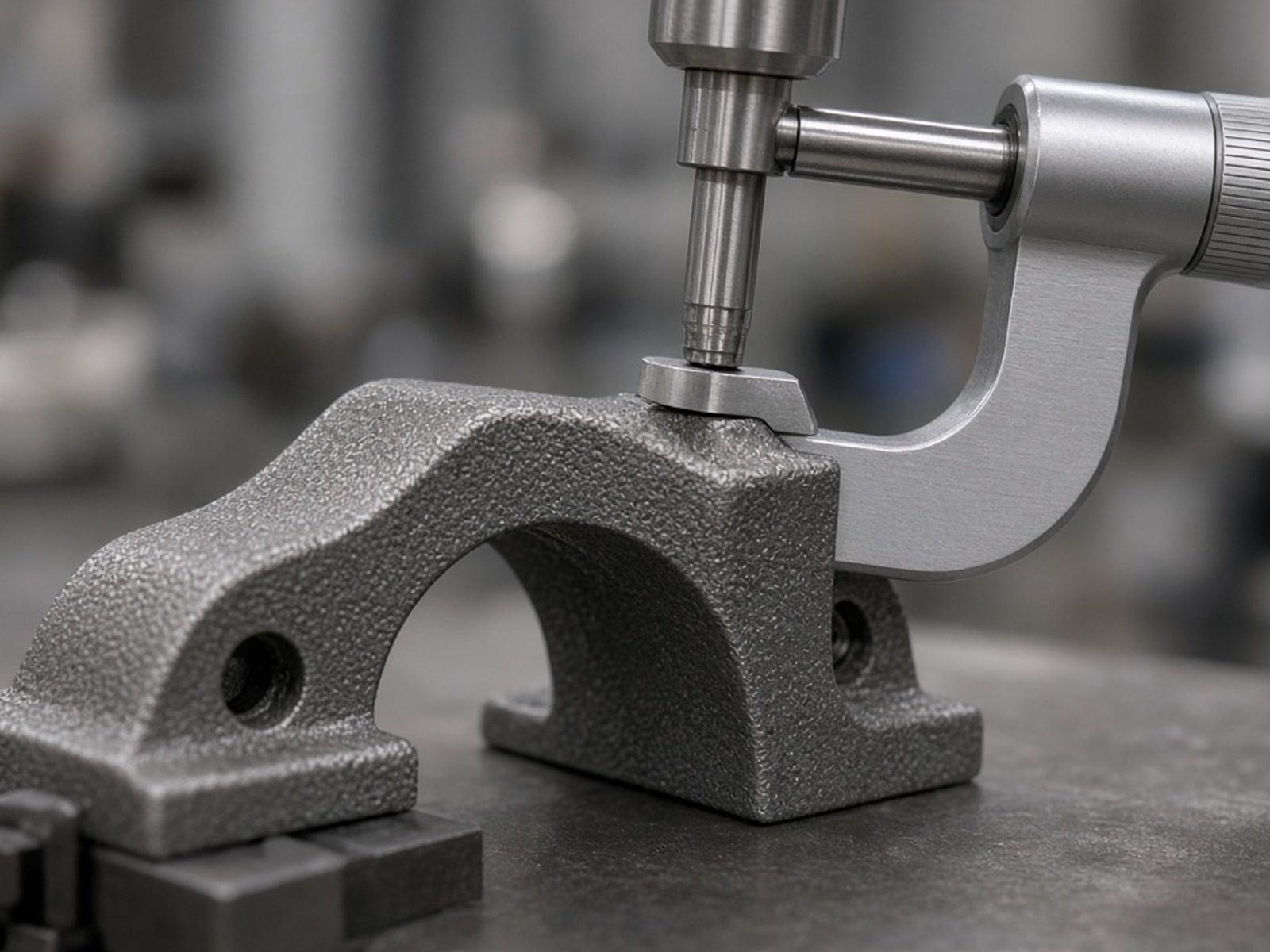
Typical Tolerance References by Process
The following values represent typical references for the core in-house processes. These are not guaranteed specifications. Guaranteed tolerance requires engineering review of the specific part geometry, material, and quantity.
FDM / FFF
±0.2 mm
or ±0.3%
SLA
±0.1 mm
or ±0.2%
SLS
±0.3 mm
or ±0.3%
MJF
±0.2 mm
or ±0.3%
Factors That Influence Achievable Tolerances
Several variables affect dimensional accuracy. Understanding them early helps set realistic expectations for fit and function.
Build Volume Limits
Ranging from approximately 380 × 284 × 380 mm for MJF up to 1,000 × 600 × 600 mm for FDM.
Customers should supply a 2D drawing with critical dimensions and tolerance callouts when these values are required for fit or function.
-
Part size & orientation
Positioning on the build platform affects dimensional results.
-
Material behaviour
Shrinkage or warpage characteristics vary by material.
-
Feature type
Thin walls, holes, and overhangs each behave differently.
-
Post-processing
Blasting, sanding, or CNC machining can shift results.
Design Inputs That Support Tolerance Control
Providing complete information at the start of a project improves the accuracy of tolerance evaluation. These details allow the engineering team to recommend the most suitable process and any necessary design adjustments.
- 1 Application and operating environment
- 2 Critical dimensions and tolerance requirements
- 3 Quantity and any repeat-order expectations
- 4 Target lead time
Material Selection
Choose from the available range to match your tolerance needs:
Limitations and Process Selection
No additive process delivers the same tolerance consistency across all geometries. Large parts, long thin features, and high-temperature materials often require wider tolerance bands.
Secondary operations such as drilling, tapping, or CNC machining can tighten specific dimensions when needed. All tolerance guarantees are confirmed only after engineering review.
Request an Engineering Review
Submit your STEP/STP file along with a 2D drawing and the eight discovery inputs listed in our customer profile. The engineering and quality team will assess feasibility and provide a tolerance recommendation tailored to your functional part requirements.
- STEP/STP file and 2D drawing with tolerance callouts
- Application and operating environment
- Material, quantity, and target lead time
Email: [email protected]
Address: No. 17-1, Guanlan Avenue, Longhua District, Shenzhen, Guangdong Province, Shenzhen 3D Printing Industrial Park
Contact RapidPrintParts
Get in Touch
We are here to answer your questions about industrial additive manufacturing and functional 3D printed parts. Reach out to us through the following methods:
Email: [email protected]
Address: No. 17-1, Guanlan Avenue, Longhua District, Shenzhen, Guangdong Province, Shenzhen 3D Printing Industrial Park