
Inconel 718 3D Printing: Overview of High-Performance Nickel Alloys
In additive manufacturing, Inconel 718 is recognized as a premier nickel-chromium-based superalloy prized for exceptional tensile strength, weldability, and oxidation resistance under thermal extremes.
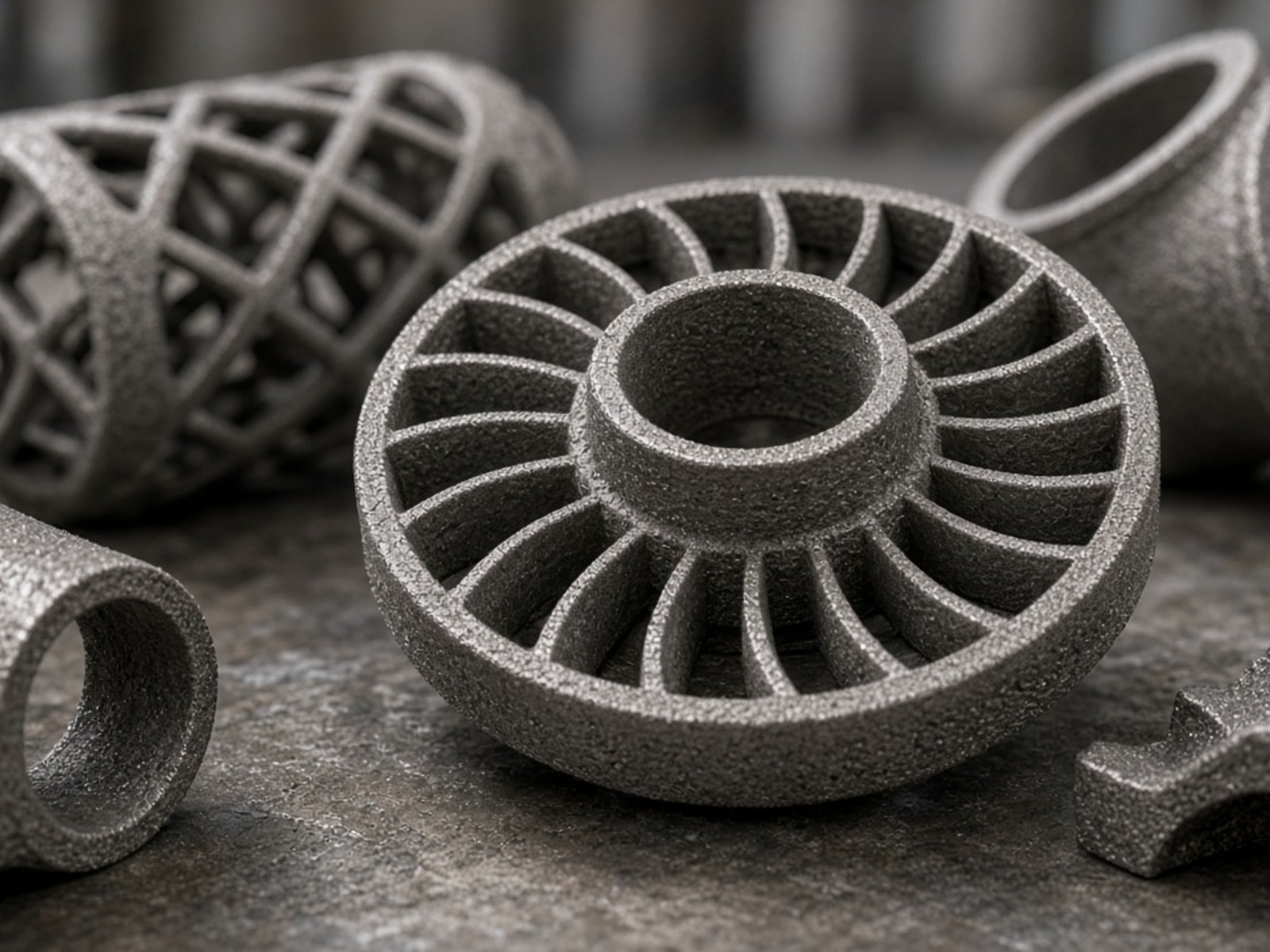
Mechanical Properties of Inconel 718
Inconel 718 is a precipitation-hardenable superalloy engineered to maintain structural integrity in operational environments where standard tooling metals fail.
Thermal Stability
Retains high mechanical strength across temperature bands ranging from cryogenic conditions up to approximately 700°C (1,300°F).
Corrosion Resistance
Provides resistance to aggressive oxidation, pitting, and stress-corrosion cracking in severe chemical and high-heat environments.
High Strength-to-Weight Ratio
Maintains durability and fatigue resistance, making it an essential candidate for components operating under extreme structural loads.
Engineering Considerations for Metal Additive Manufacturing
Implementing Inconel 718 via Laser Powder Bed Fusion (LPBF) involves distinct processing parameters, metallurgy constraints, and secondary finishing workflows.
Thermal Management
Due to the elevated melting point and thermal properties of Inconel, parts require complex support structures to anchor components, dissipate thermal buildup, and manage residual stress to prevent distortion during the build.
Post-Processing Stages
LPBF components typically require furnace heat treatments (solution annealing and precipitation aging) to unlock required metallurgical microstructures. Secondary CNC machining is often mandatory for critical mating faces and tight tolerances.
Cost & Lead Time
Metal additive processes demand specialized powder stock, inert gas environments, and extensive post-processing routines, which can influence overall unit economics and delivery schedules compared to polymer platforms.
Evaluating Materials for Functional Parts
RapidPrintParts partners with OEMs and industrial teams to evaluate operating criteria before committing to high-cost superalloys. When designing functional components, assess these critical parameters:
Thermal Environment
Does the operating temperature exceed the ceiling of ultra-polymers? Materials such as PEEK, PEKK, or PEI/ULTEM can frequently replace metals in non-combustion scenarios, offering dramatic weight reduction.
Mechanical Loads
Can structural integrity requirements be achieved via design optimization or fiber-reinforced engineering polymers, such as Carbon Fiber Nylon (PA-CF) or Glass-Filled Nylon (PA-GF)?
Chemical Exposure
Determine whether the assembly interfaces directly with open flames or specific high-temperature oxidizers that strictly mandate Inconel superalloy metallurgy.
Engineering Review & Consultation
Selecting the ideal production material is fundamental to functional prototypes, manufacturing jigs, tooling fixtures, and low-volume end-use assemblies. Our team reviews design files against mechanical load, continuous service temperature, and environmental parameters to identify the most practical manufacturing route.
For programs suited for polymer additive manufacturing, RapidPrintParts utilizes advanced platforms (FDM, SLA, SLS, and MJF) and high-performance polymers including PEEK, PEKK, and structural nylons to deliver rigid, high-strength parts.
In-House Polymer Capabilities
- • Technologies: Industrial FDM, SLA, SLS, and Multi Jet Fusion (MJF)
- • High-Performance Polymers: PEEK, PEKK, and PEI/ULTEM for demanding thermal and chemical conditions
- • Reinforced Composites: PA-CF and PA-GF for structural stiffness and lightweighting initiatives
- • Application Focus: Functional prototypes, tooling, jigs, fixtures, and low-volume production
Request an Engineering Review
Submit your project specifications and CAD files to discuss functional material options with our technical staff.
Contact RapidPrintParts
Get in Touch
We are here to answer your questions about industrial additive manufacturing and functional 3D printed parts. Reach out to us through the following methods:
Email: [email protected]
Address: No. 17-1, Guanlan Avenue, Longhua District, Shenzhen, Guangdong Province, Shenzhen 3D Printing Industrial Park