
Inconel 625 3D Printing: Technical Overview and Industrial Applications
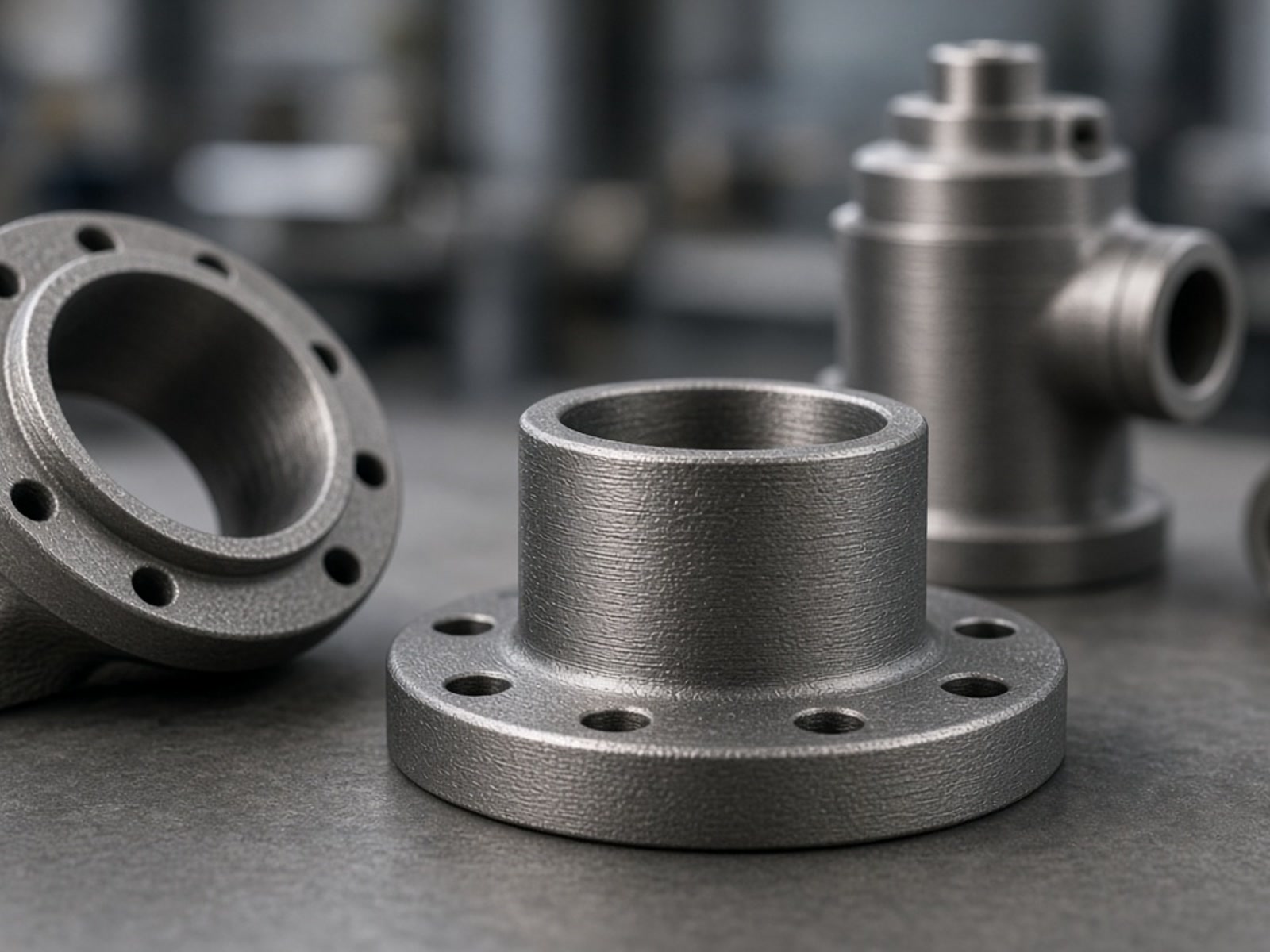
Inconel 625 is a nickel-chromium-molybdenum superalloy widely recognized for its high strength, excellent fabricability, and outstanding corrosion resistance. In additive manufacturing, this material is typically processed using metal powder bed fusion technologies to create complex, high-performance components that are difficult or uneconomical to produce via traditional subtractive machining.
This page is an educational resource for industrial engineers. It outlines the characteristics of Inconel 625 and the factors involved in selecting it for advanced manufacturing projects.
Key Properties of Inconel 625
Inconel 625 maintains its mechanical integrity across a wide temperature range, from cryogenic levels up to approximately 980°C (1800°F). Its unique alloying elements provide specific performance benefits.
Corrosion Resistance
The high molybdenum and niobium content, combined with chromium, provides excellent resistance to pitting and crevice corrosion, as well as high fatigue strength in chloride-contaminated environments.
Oxidation Resistance
It forms a protective oxide layer at elevated temperatures, making it suitable for aerospace and chemical processing environments.
Mechanical Strength
Unlike many other nickel alloys, Inconel 625 gains its strength from the stiffening effect of molybdenum and niobium on its nickel-chromium matrix, rather than through precipitation hardening.
Weldability
The material is highly weldable, which is a critical factor in the success of additive manufacturing processes that rely on localized melting and solidification.
Service window: cryogenic levels up to approximately 980°C (1800°F), with strength derived from matrix stiffening rather than precipitation hardening.
Typical Industrial Applications
Due to its robust performance in harsh environments, Inconel 625 is often selected for functional parts in specialized industries.
-
01
Chemical Processing
Used for reaction vessels, tubing, and heat exchanger components where resistance to organic and inorganic acids is required.
-
02
Marine Engineering
Applied in components exposed to seawater, such as propeller blades, submarine fittings, and sensor housings, due to its resistance to stress-corrosion cracking.
-
03
Power Generation
Utilized in gas turbine components, ducting systems, and specialized exhaust hardware that must withstand high thermal loads.
-
04
Oil and Gas
Found in wellhead components and subsea hardware where high-pressure and corrosive fluids are present.
Design Considerations for Metal Additive Manufacturing
Designing for Inconel 625 3D printing requires a different approach than traditional manufacturing or polymer 3D printing. Key design inputs typically include the following.
Thermal Stress Management
The high melting point of nickel alloys can lead to significant thermal gradients during the build process. Engineering reviews often focus on part orientation and support structures to mitigate residual stress and potential warping.
Support Structures
In metal powder bed processes, supports are necessary not only for geometry but also for heat dissipation. These must be removed during post-processing, which may require CNC machining or manual grinding.
Post-Processing Requirements
Functional Inconel parts often require secondary operations. This may include stress relief annealing, Hot Isostatic Pressing (HIP) to reduce internal porosity, and surface finishing to meet specific roughness requirements.
Wall Thickness and Geometry
While 3D printing allows for complex internal channels such as those in heat exchangers, minimum wall thicknesses and hole diameters are subject to the specific capabilities of the equipment and require engineering validation.
Material Selection: Superalloys vs. High-Performance Polymers
In many industrial applications, engineers must decide between a metal superalloy like Inconel 625 and high-performance polymers. While Inconel offers unmatched temperature and pressure resistance, certain applications—such as jigs, fixtures, or specialized housings—may be better suited for advanced polymers like PEEK, PEI (ULTEM™), or Carbon Fiber-reinforced PA.
Decision factors
- Temperature
- If the continuous operating temperature exceeds 250°C–300°C, metal is generally required.
- Chemical Exposure
- Both Inconel and high-performance polymers offer excellent chemical resistance, but their compatibility varies depending on the specific solvent or acid.
- Weight
- For robotics and EOAT (End-of-Arm Tooling), high-performance polymers often provide the necessary strength with significantly lower mass.
Engineering Review and Validation
Successful implementation of Inconel 625 in a production environment requires a thorough engineering review. This process evaluates the CAD data—typically in STEP or STP format—against the intended application requirements, including load, temperature, and required tolerances.
Documentation such as material certificates, dimensional inspection reports, and certificates of conformity are standard requirements for ensuring that the final component meets the rigorous demands of industrial service.
Review inputs
- CAD data in STEP or STP format
- Intended application requirements
- Load, temperature, and required tolerances
- Material certificates, dimensional inspection reports, and certificates of conformity
Request a Quote
Share your project details and our team will follow up. This page is an educational resource; metal additive manufacturing is discussed here as an alloy and process topic. Please confirm scope and capabilities with our team before sending production requirements.
- Email: [email protected]
- Address: No. 17-1, Guanlan Avenue, Longhua District, Shenzhen, Guangdong Province, Shenzhen 3D Printing Industrial Park
Contact RapidPrintParts
Get in Touch
We are here to answer your questions about industrial additive manufacturing and functional 3D printed parts. Reach out to us through the following methods:
Email: [email protected]
Address: No. 17-1, Guanlan Avenue, Longhua District, Shenzhen, Guangdong Province, Shenzhen 3D Printing Industrial Park