Understanding Inconel 3D Printing: Applications & Material Considerations
Inconel is a family of nickel-chromium-based superalloys recognized for exceptional mechanical strength, resistance to chemical oxidation, and structural stability across extreme temperature envelopes. Explore high-stress use cases, performance metrics, and cost-effective high-performance polymer alternatives for functional industrial manufacturing.
Key Characteristics of Inconel Superalloys
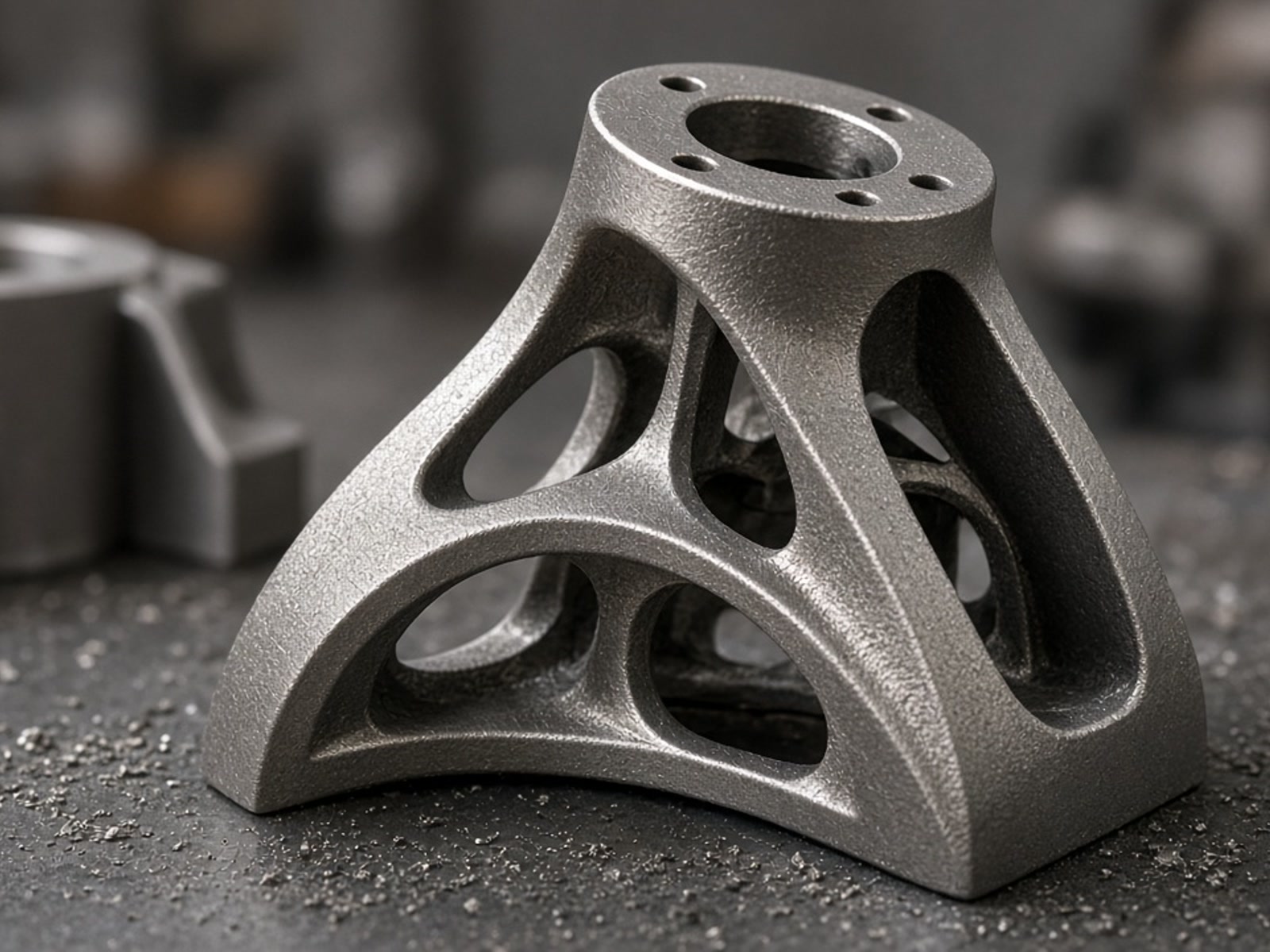
Engineered specifically for mission-critical thermal and chemical resistance, nickel-chromium grades such as Inconel 625 and Inconel 718 serve demanding industrial operating environments.
Thermal Stability
Maintains critical tensile strength and structural geometry at elevated service temperatures where most conventional structural alloys soften, creep, or permanently deform.
Corrosion Resistance
Provides robust defense against aggressive chemical attack, pitting, high-temperature oxidation, and carburization under continuous chemical exposure.
High-Temperature Strength
Sustains heavy operational loads under intense thermal cycling, delivering superior rupture resistance and mechanical fatigue resilience.
Common Industrial Applications
Superalloys are deployed across sectors where component failure during thermal stress is unacceptable. Typical engineering implementations include:
Thermal Management Systems
Complex heat exchangers, exhaust manifolds, cooling conduits, and internal ducts exposed continuously to hot gases and combustion cycles.
High-Stress Mechanical Components
Turbomachinery parts, combustion housings, brackets, and structural fixtures demanding high creep performance under continuous mechanical tension.
Chemical Processing Equipment
Reactor components, aggressive media nozzles, fluid management valves, and tooling exposed to hostile acids and oxidizing atmospheres.
Selecting the Right Manufacturing Material
While Inconel is an exceptional candidate for extreme thermal thresholds, it is not always the most economical or agile solution for every component. Metal additive manufacturing involves significant post-processing, specialized powder handling, and prolonged lead times.
At RapidPrintParts, we focus on producing functional industrial components using advanced engineering polymers. For applications requiring rigorous chemical and thermal resilience without the weight or cost of nickel superalloys, advanced thermoplastics offer an efficient path to production.
PEEK (Polyetheretherketone)
Continuous ServiceDelivers outstanding mechanical strength, chemical inertia, and high continuous-use thermal capabilities. Often deployed as a lightweight replacement for metallic components in corrosive or high-temperature mechanical assemblies.
PEI (ULTEM)
FST CompliantRenowned for an exceptional strength-to-weight ratio, high dielectric strength, and inherent flame, smoke, and toxicity (FST) compliance required for demanding transport and industrial equipment.
PEKK (Polyetherketoneketone)
Structural PerformanceProvides superior thermal stability, elevated compression limits, and improved inter-layer adhesion for functional end-use prototypes and low-volume production parts in challenging operating conditions.
Engineering Review for Your Components
Before finalizing technical drawings or committing to expensive tooling, assess your operating requirements with our manufacturing team. Thermal environment, mechanical load paths, chemical contact, and tolerance stacking dictate the right material process.
Specify continuous operating temperatures, peak thermal spikes, chemical exposure, and mechanical load requirements.
Provide production-ready 3D CAD models in STEP or STP format for geometric analysis and manufacturing feasibility.
Indicate critical dimensions, fit clearances, target tolerances, surface finish needs, and planned batch volumes.
Request a Project Evaluation
Connect with our applications engineering group to evaluate your functional part specifications, material alternatives, and DFM optimization.
Contact RapidPrintParts
Get in Touch
We are here to answer your questions about industrial additive manufacturing and functional 3D printed parts. Reach out to us through the following methods:
Email: [email protected]
Address: No. 17-1, Guanlan Avenue, Longhua District, Shenzhen, Guangdong Province, Shenzhen 3D Printing Industrial Park